
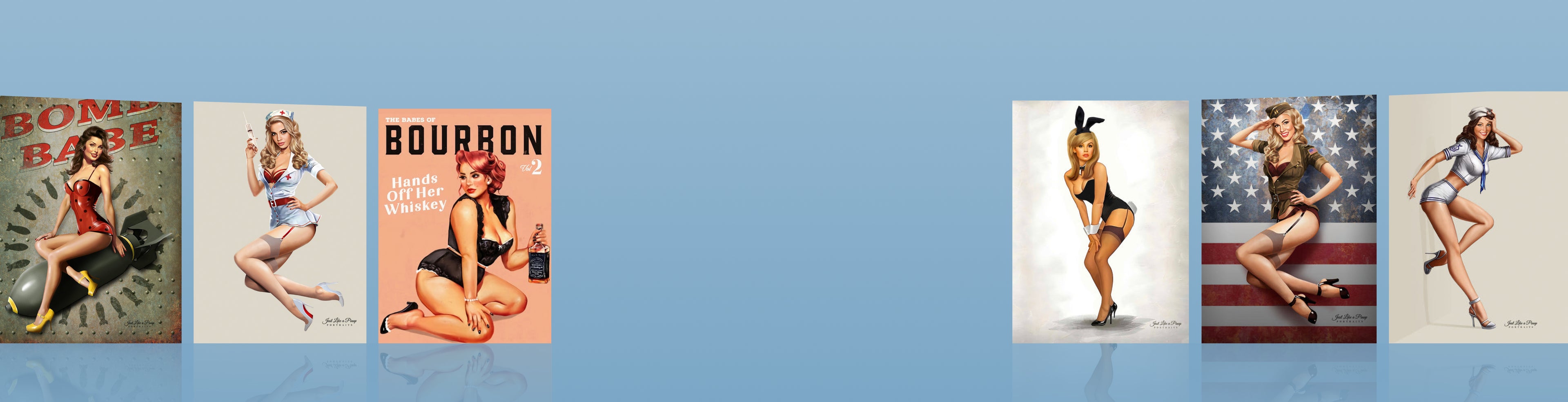
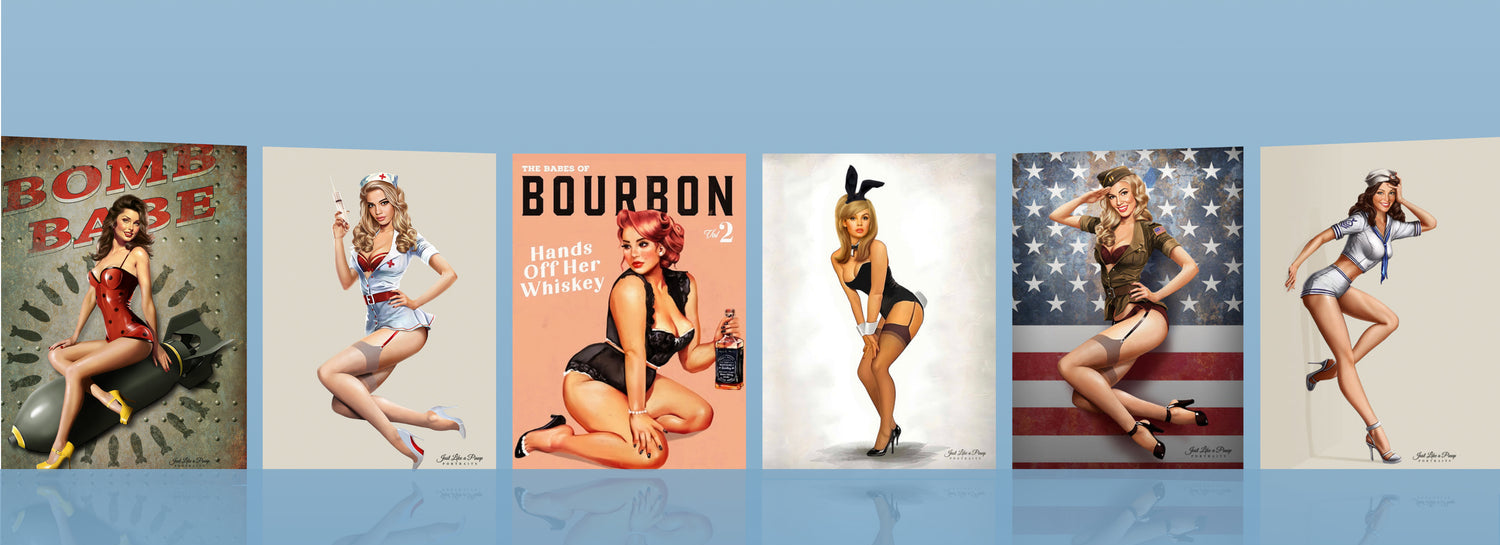

Pinup and Identity: How Vintage Aesthetics Help People Express Themselves
Pinup art has always been about more than just visual appeal. Whether it appears as classic pinup portraits, vintage pinup illustration, or modern retro pinup photography, the style is deeply connected to identity—how people see themselves, how they want to be seen, and how they choose to express personality through imagery.
In recent years, pinup girl art has evolved into a powerful tool for self-expression in both personal and creative spaces.
Pinup as a Form of Visual Identity
At its core, a pinup portrait is not just an image—it’s a constructed identity. Every detail, from pose to styling, contributes to how the subject is perceived.
Unlike traditional portraiture, vintage pinup style emphasizes character and storytelling over strict realism. This allows individuals to explore different versions of themselves through art.
A single pinup portrait from photos can highlight confidence, playfulness, elegance, or boldness depending on how it is styled.
Exploring Different Versions of the Self
One of the most interesting aspects of pinup art is its flexibility. People can experiment with identity in ways that feel creative rather than permanent.
Through custom pinup portraits, individuals often explore:
- A more glamorous version of themselves
- A playful or humorous personality
- A bold, expressive alter ego
- A nostalgic or retro-inspired identity
This makes retro pinup photography and illustration feel less like documentation and more like transformation.
Why Vintage Pinup Style Feels Personal
Unlike minimalist portrait styles, classic pinup portraits are expressive by nature. The poses, expressions, and styling are intentionally exaggerated, which makes identity more visible—not less.
This exaggeration allows personality traits to come forward in a stylized way, giving pinup girl art its distinctive emotional impact.
Pinup and Confidence Building
Many people are drawn to pinup portraits because they offer a different perspective on self-image. Seeing oneself through a stylized, artistic lens can shift how identity is perceived.
In vintage pinup illustration and photography, confidence is often emphasized through:
- Strong posture and posing
- Direct eye contact with the viewer
- Playful or empowered expressions
- Carefully chosen styling and composition
This creates a version of identity that feels intentional and expressive.
The Role of Imagination in Pinup Identity
One of the most unique qualities of retro pinup photography is that it invites imagination. The viewer—and the subject—are not limited to realism.
Instead, pinup portraits often represent a fictionalized or elevated version of identity. This allows people to step into creative roles or moods they don’t typically express in everyday life.
Digital Pinup and Modern Self-Expression
Today, pinup art has expanded into digital spaces, where identity can be reshaped through illustration and editing tools. Modern pinup portraits from photos often blend realism with artistic interpretation.
This makes identity more fluid, allowing individuals to explore multiple visual versions of themselves through pinup illustration and digital design.
Why Pinup Remains Relevant to Identity Today
In a world filled with highly standardized digital imagery, vintage pinup style stands out because it embraces individuality and expression.
Instead of trying to flatten identity into a single “perfect” image, classic pinup portraits celebrate uniqueness through exaggeration, styling, and storytelling.
Final Thoughts
Pinup art continues to evolve, but its connection to identity remains constant. Whether through retro pinup photography, illustrated works, or modern pinup portraits, the style offers a creative way for people to explore who they are—and who they might want to be.
That ability to transform identity into visual storytelling is what keeps vintage pinup style relevant, meaningful, and deeply personal today.