
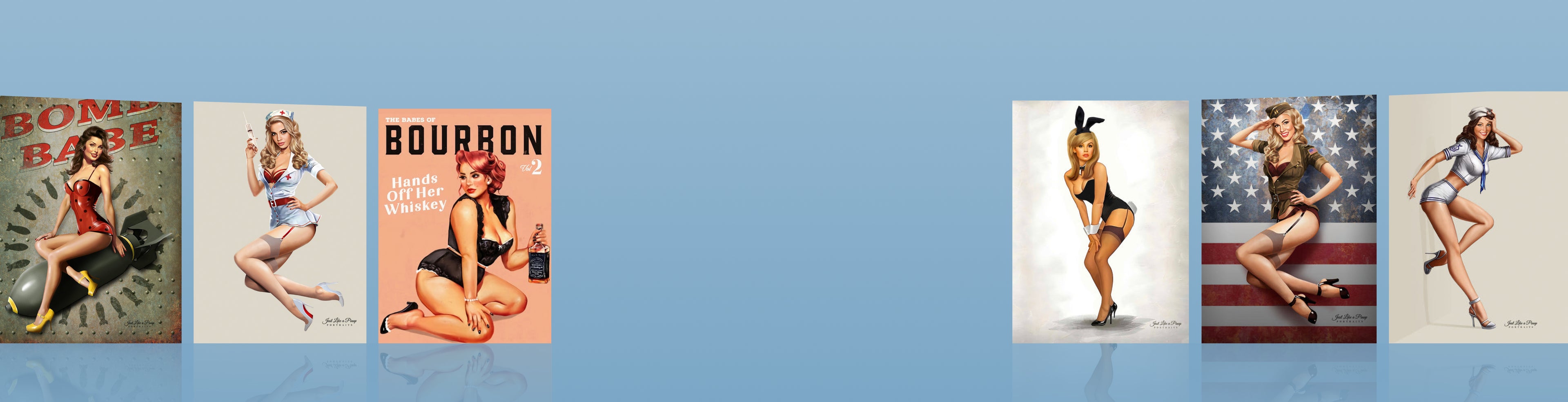
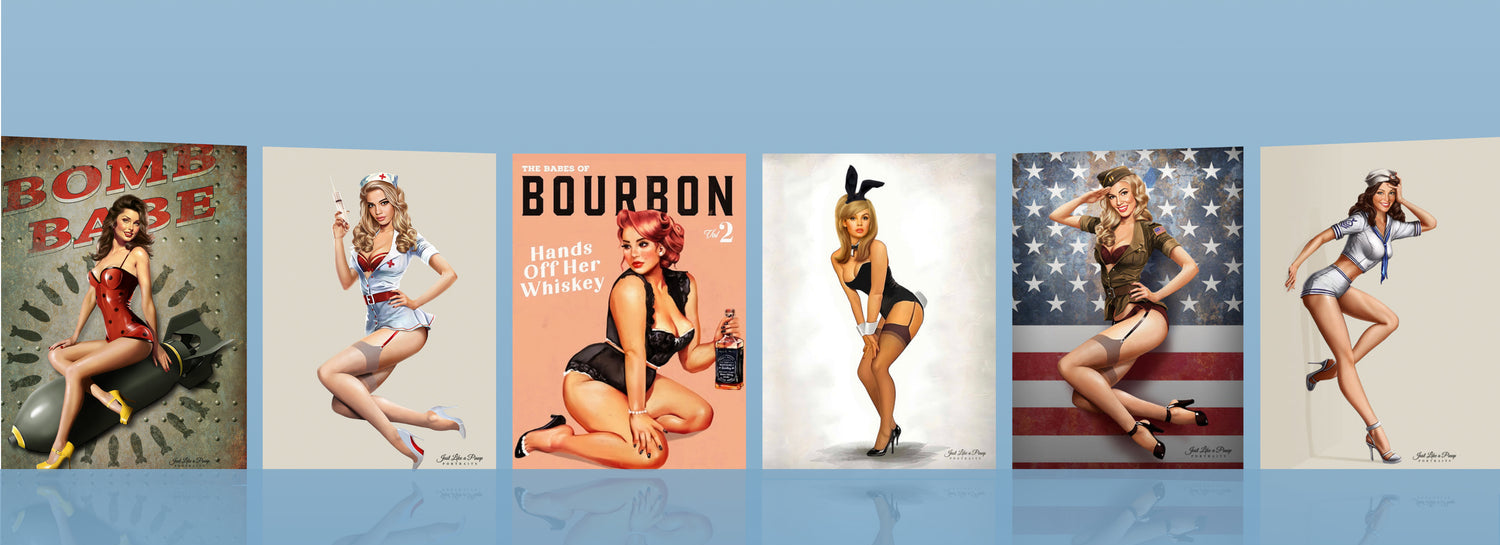

The Birth of an Icon
Launched in 1953 by Hugh Hefner, Playboy entered a world where pinup imagery already existed—but hadn’t yet reached its full mainstream potential. Hefner’s vision was different. He didn’t just want to publish photos of attractive women; he wanted to create a lifestyle magazine that blended sexuality, sophistication, and culture.
The very first issue featured none other than Marilyn Monroe, using her famous nude calendar photos. It was a bold move—and it worked. The magazine sold tens of thousands of copies and immediately established itself as a cultural phenomenon.
Redefining the Pinup
Before Playboy, pinups were often illustrations or modest photographs—playful, suggestive, but restrained. Playboy shifted that balance.
It introduced the “centerfold,” a full-page photographic spread that became its signature feature. These images were more intimate and polished than traditional pinups, blending glamour photography with a sense of realism and accessibility.
Unlike earlier pinup art from figures like Alberto Vargas, which emphasized painted perfection, Playboy leaned into photography’s ability to capture real people—while still maintaining a carefully crafted aesthetic.
The Playboy Playmate
One of the magazine’s most enduring contributions was the concept of the “Playmate of the Month.” These weren’t just models—they became personalities, often gaining fame and launching careers in entertainment.
The Playmate wasn’t portrayed as distant or unattainable. Instead, she was presented as the “girl next door,” a concept that reshaped how beauty and sensuality were marketed. This approach made the imagery feel more personal and relatable compared to earlier, more stylized pinups.
More Than Just Images
What set Playboy apart was its content beyond photography. It featured interviews, fiction, journalism, and commentary from major cultural figures. Writers and thinkers appeared alongside models, creating a magazine that positioned itself as both intellectual and provocative.
This dual identity helped normalize pinup imagery in mainstream culture—it wasn’t hidden away; it was part of a broader conversation about lifestyle, art, and modern identity.
Controversy and Cultural Impact
From its earliest days, Playboy sparked debate. Critics questioned its portrayal of women and its role in shaping societal attitudes toward sexuality. Supporters argued that it challenged outdated norms and embraced a more open, modern perspective.
Like earlier pinup figures such as Betty Page, the magazine existed at the intersection of empowerment and controversy—a space that continues to be discussed today.
The Evolution of Pinup Through Playboy
As decades passed, Playboy evolved with changing tastes and cultural shifts. The imagery became more explicit, the style more contemporary, and the definition of beauty more diverse.
Yet, at its core, it maintained the essence of pinup: presentation, personality, and the art of suggestion—though the boundaries of that suggestion expanded over time.
A Lasting Legacy
Even in the digital age, the influence of Playboy is undeniable. It helped transition pinup from illustration to photography, from niche appeal to global recognition.
Its visual style, editorial voice, and cultural impact shaped generations of media that followed—from magazines to advertising to online platforms.
Playboy wasn’t just the most famous pinup magazine—it was a turning point. It reimagined what pinup could be, blending fantasy with realism and style with substance. And in doing so, it left a legacy that continues to influence how beauty, identity, and imagery are presented today.