
1. The Hidden History of Pinup Art in Wartime Morale
Pinup art is often seen as playful, glamorous, and nostalgic—but behind the iconic smiles and confident poses lies a deeper, more emotional story. During World War II, vintage pinup art played a powerful and unexpected role: it helped soldiers cope with fear, loneliness, and the psychological weight of war.
Pinup Art Was More Than Decoration
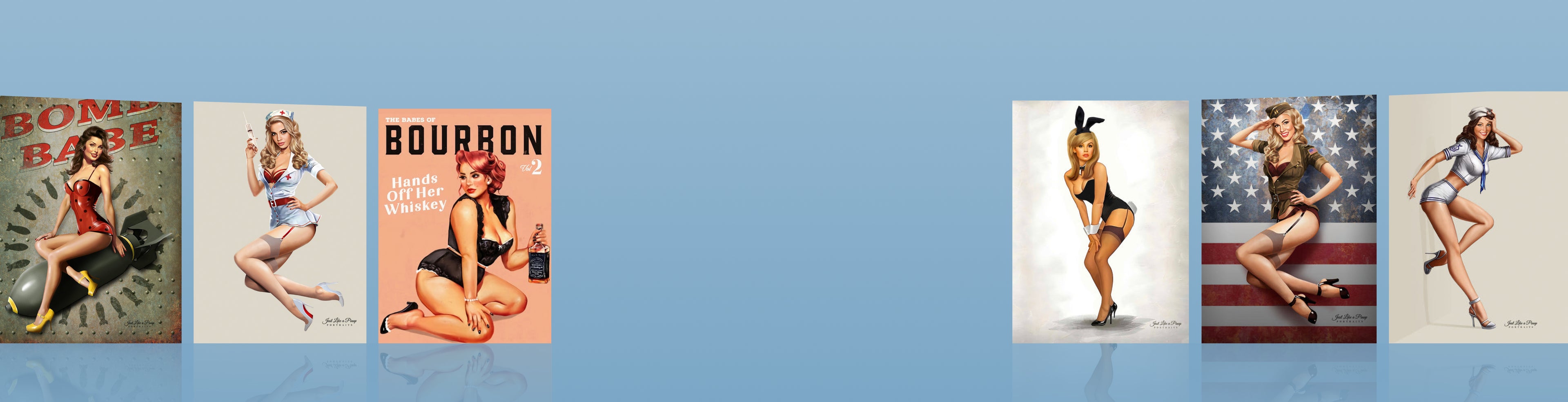
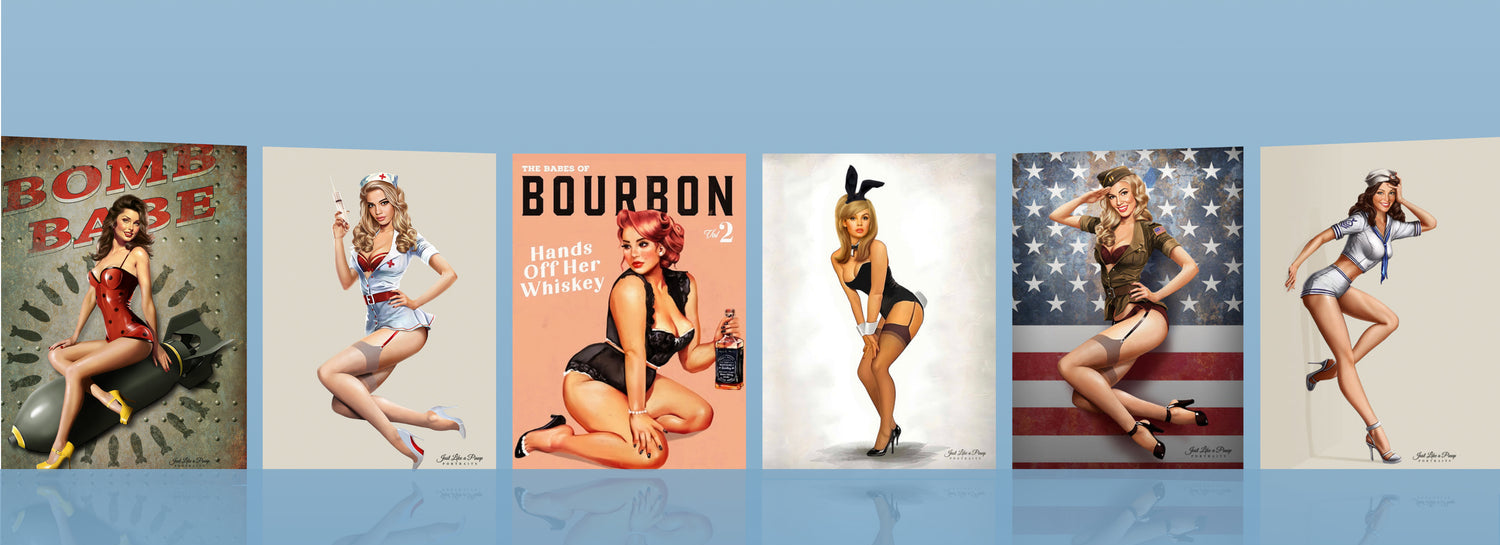
In the 1940s, pinup illustrations weren’t just magazine features—they became personal treasures. Soldiers carried pinup portraits in their pockets, lockers, and even inside helmets. These images symbolized hope, normalcy, and a connection to life back home.
Unlike traditional wartime propaganda, pinup art didn’t rely on fear or authority. Instead, it reminded soldiers what they were fighting for: joy, beauty, and human connection.
Real Stories from the Front Lines
Many veterans later shared that pinup images helped them through some of their darkest moments. A simple illustration could:
- Lift morale during long deployments
- Provide emotional comfort during isolation
- Serve as a mental escape from harsh realities
Some soldiers even wrote letters to the artists or models behind their favorite pinups, expressing gratitude for the unexpected impact these portraits had on their lives.
The Artists Behind the Movement
Pinup illustrators became cultural icons in their own right. They carefully crafted poses, expressions, and styling to strike a balance between elegance and approachability.
Their work wasn’t accidental—it was designed to evoke warmth, confidence, and optimism. These emotional cues are still used in modern pinup illustration techniques today.
Why This Still Matters Today
The influence of wartime pinups lives on in today’s custom pinup portraits. While the context has changed, the emotional impact remains the same.
People now commission pinup-style artwork to:
- Celebrate milestones
- Boost confidence
- Capture personality in a bold, artistic way
At its core, pinup art has always been about more than appearance—it’s about how it makes people feel.