

When Warplanes Became Personal
Officially, military command didn’t always encourage nose art. But in practice, it became a tolerated—and sometimes celebrated—tradition. Crews used it to boost morale, express identity, and bring a bit of humor or humanity into an otherwise brutal environment.
Over time, certain aircraft became iconic, their nose art inseparable from their history.
Memphis Belle – The Symbol of Survival
Perhaps the most famous nose art aircraft of all time, the Memphis Belle was a Boeing B-17 Flying Fortress that completed 25 combat missions over Europe—an extraordinary feat at the time.
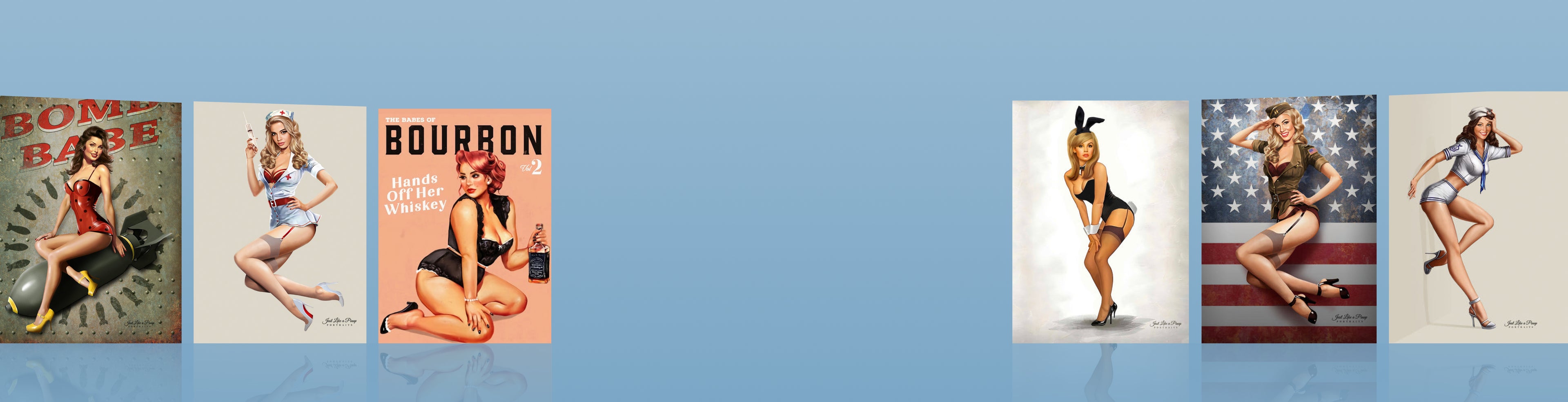
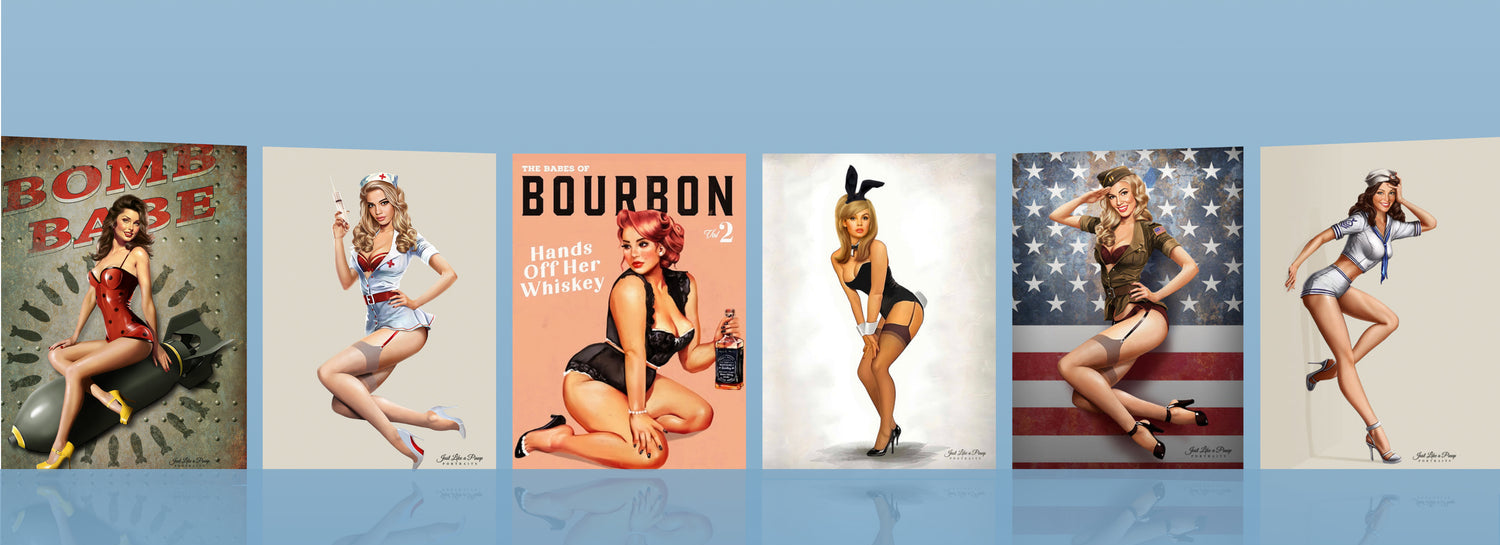
Its nose art featured a classic pinup girl inspired by George Petty’s illustrations. More than decoration, the image became a symbol of luck and resilience. The crew’s safe return turned the Memphis Belle into a propaganda icon and a lasting legend of the air war.
Enola Gay – History’s Most Controversial Aircraft
The Enola Gay, a Boeing B-29 Superfortress, carried out one of the most consequential missions in history: dropping the atomic bomb on Hiroshima.
Unlike many other aircraft, its nose art was relatively simple—just the name, painted cleanly without elaborate imagery. Named after pilot Paul Tibbets’s mother, the plane stands as a stark reminder that nose art could be deeply personal, even when tied to world-altering events.
Shoo Shoo Baby – Glamour in the Skies
Another Boeing B-17 Flying Fortress, Shoo Shoo Baby featured vibrant pinup-style nose art typical of the era. The name itself reflects the playful, musical influence of the time, evoking swing-era culture.
Its artwork exemplifies how pinup aesthetics—flowing hair, bright colors, confident poses—became a defining visual language of wartime aviation.
Sentimental Journey – Nostalgia and Longing
The Sentimental Journey carried a name that captured a universal feeling among servicemen: homesickness. Its nose art depicted a reclining pinup figure, combining elegance with a sense of wistful longing.
Like many such planes, it connected the crew to life back home, blending romance and memory into a single image.
Fifi – A Living Relic
Fifi is one of the few surviving airworthy Boeing B-29 Superfortress aircraft today. Its nose art reflects the classic pinup style, keeping the tradition alive for modern audiences.
Unlike wartime planes, Fifi now serves as a flying museum piece, offering a glimpse into the past—and a reminder of the artistry that once soared alongside the conflict.
The Dragon and His Tail – Bold and Unforgettable
This Consolidated B-24 Liberator stood out for its elaborate and colorful dragon-themed artwork. It demonstrated that nose art wasn’t limited to pinups—crews embraced fantasy, mythology, and humor.
The sheer scale and creativity of such designs turned aircraft into flying statements of individuality.
Art, Identity, and Defiance
Nose art often walked a fine line between regulation and rebellion. Some designs were cheeky or risqué, pushing against military discipline. Others were deeply sentimental, reflecting loved ones, hometowns, or personal jokes.
In every case, the art gave crews a sense of ownership over their aircraft. It made something massive and impersonal feel uniquely theirs.
Why Nose Art Still Captivates
Today, these aircraft—and their artwork—continue to fascinate historians, artists, and aviation enthusiasts alike. They represent a rare blend of function and expression, where creativity found a place even in wartime.
Nose art reminds us that even in the most mechanical and high-stakes environments, people find ways to leave a human mark.
The most famous warplanes weren’t just remembered for their missions—they were remembered for their personalities. And sometimes, that personality was painted right on the nose, visible to the world as they flew into history.