

More Than a Pretty Picture
At first glance, pinup portraits might seem simple: a striking pose, flattering lighting, and a touch of vintage styling. But the best ones go deeper. They balance three key elements—attitude, composition, and suggestion.
Unlike traditional portraiture, which often aims for realism or status, pinup portraits lean into idealization. That doesn’t mean they’re artificial—it means they’re intentional. Every detail, from the tilt of the chin to the curve of a hand, is designed to evoke a feeling.
The Power of Expression
What truly defines a pinup portrait is expression. A playful smirk, a raised eyebrow, or a look of mock surprise can transform an image from static to alive. These expressions create a sense of interaction, as if the subject is aware of the viewer and letting them in on a private joke.
This sense of personality is what separates pinup from other forms of glamour photography. It’s not just about being seen—it’s about engaging.
Styling as Storytelling
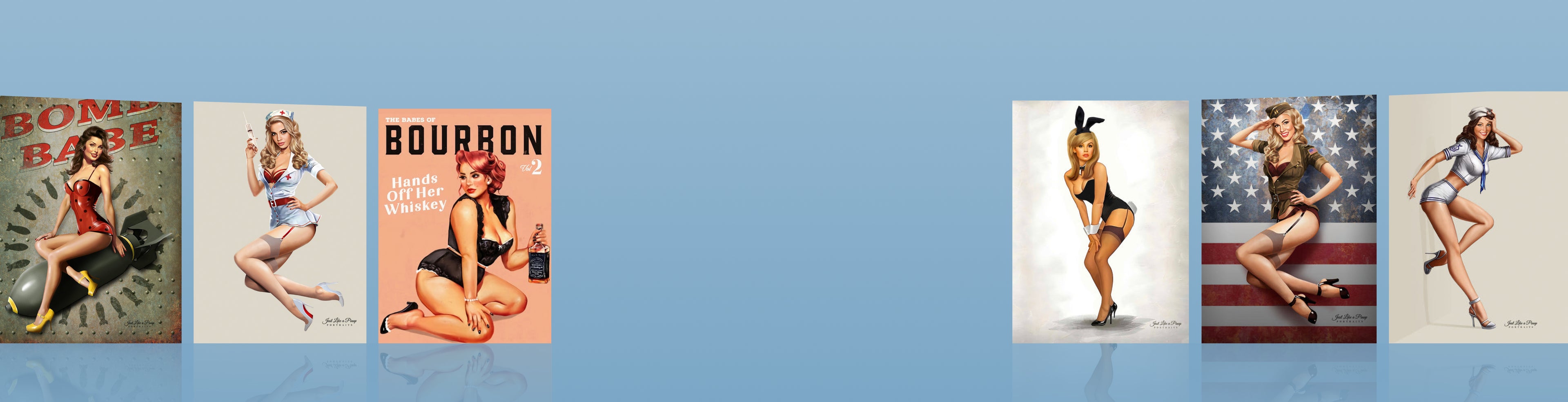
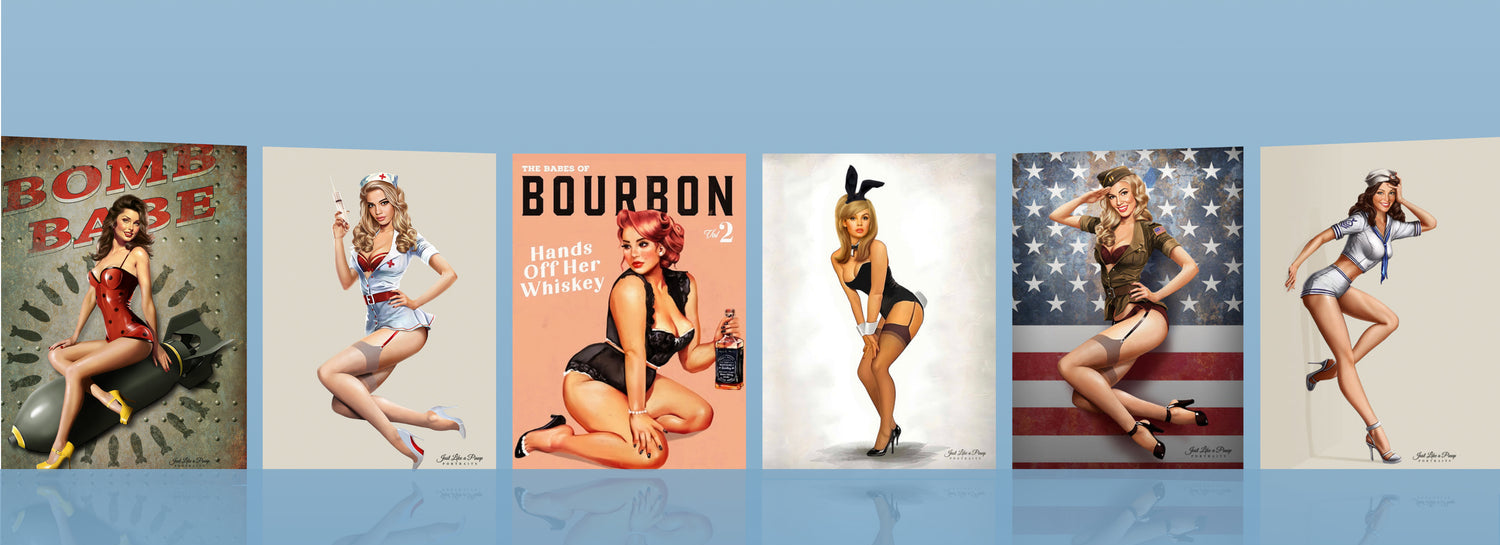
Wardrobe and styling in pinup portraits are never accidental. A polka-dot dress, satin gloves, or a military-inspired outfit can instantly set the tone. Hair and makeup follow suit—victory rolls, bold eyeliner, and red lipstick aren’t just aesthetic choices; they’re visual shorthand for a specific mood or era.
Even props play a role. A telephone, a suitcase, or a mirror can turn a portrait into a narrative moment. The viewer is left to imagine what just happened—or what’s about to.
The Role of Pose
Pinup posing is an art form in itself. It exaggerates lines and shapes, often borrowing from dance and fashion illustration. Angles are emphasized, posture is heightened, and movement is implied even in stillness.
What’s remarkable is how these poses walk a fine line—they’re suggestive without being explicit, confident without being distant. The result is an image that feels both stylized and approachable.
Light, Color, and Mood
Lighting in pinup portraits tends to be soft but deliberate. Highlights are used to sculpt the face and body, while shadows add depth without harshness. The goal is to create a polished, almost cinematic look.
Color palettes often lean toward warmth—rich reds, creamy skin tones, and soft pastels. Even in black-and-white portraits, contrast is carefully controlled to maintain a sense of softness and allure.
Modern Pinup: Reinvention and Inclusivity
Today, pinup portraits have expanded far beyond their mid-20th-century origins. Modern interpretations embrace a wider range of body types, identities, and styles. While the classic elements remain, they’re often reimagined through contemporary lenses.
Digital photography and editing tools have also changed the process, but the essence remains the same: creating an image that feels both timeless and expressive.
Why Pinup Portraits Endure
Pinup portraits continue to resonate because they celebrate something universal—confidence with a touch of playfulness. They invite the subject to step into a slightly heightened version of themselves, where charm is amplified and individuality shines.
In a world saturated with images, pinup stands out by doing something deceptively simple: it tells a story in a single glance.
A great pinup portrait isn’t just about how someone looks—it’s about how they feel to the viewer. And when everything comes together—expression, styling, pose, and mood—it creates an image that lingers long after you’ve looked away.