
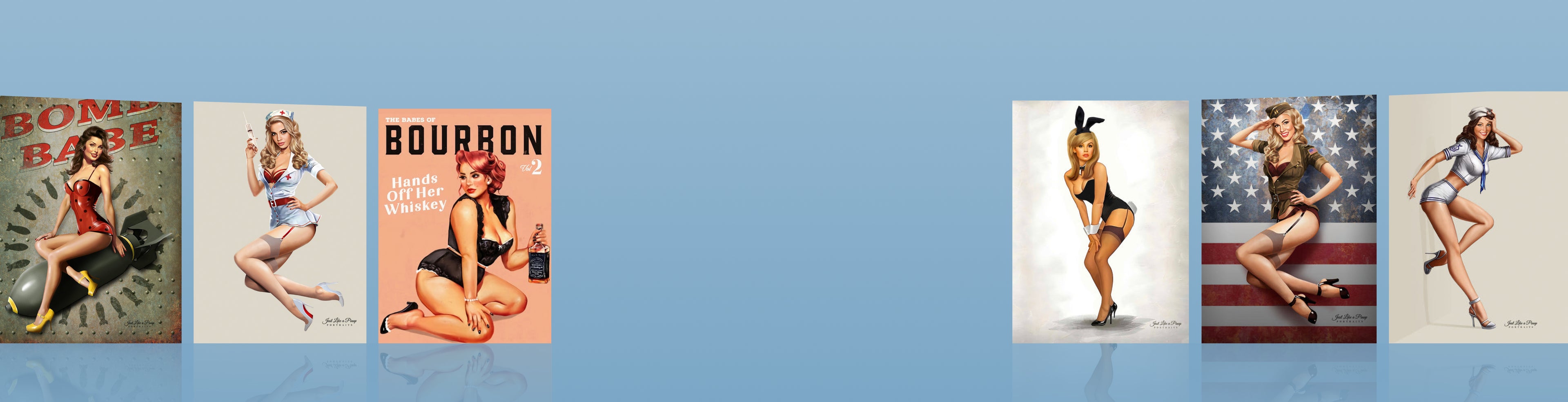
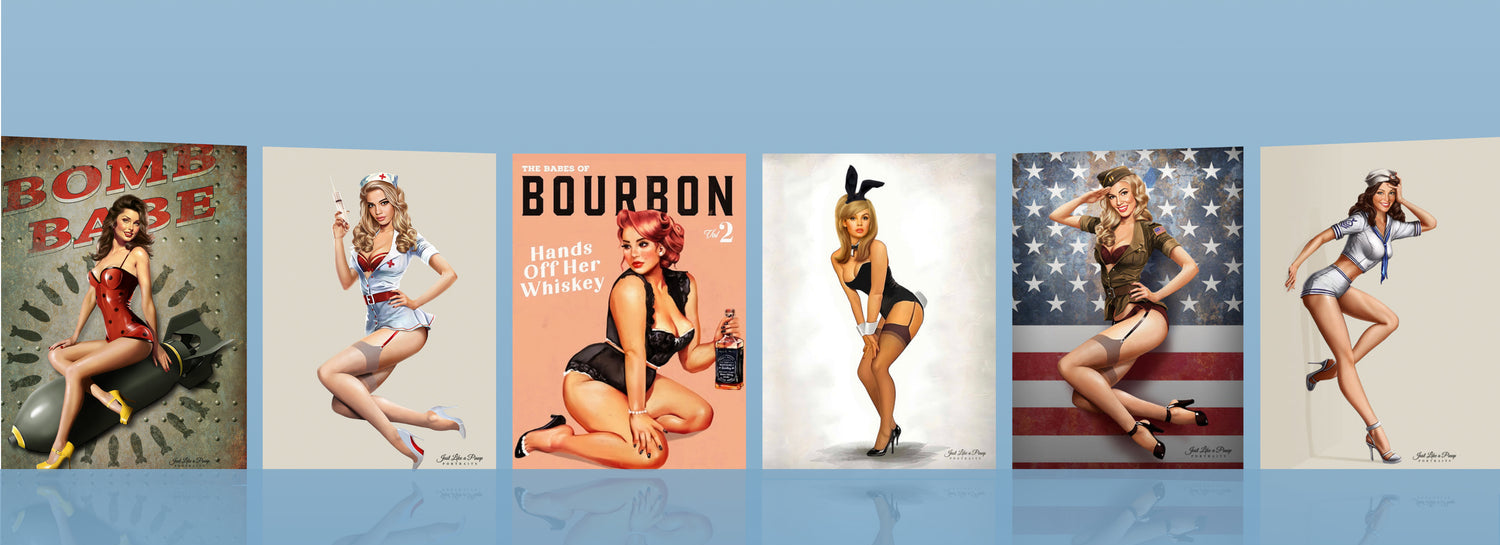

Pinup Art in American Culture: How a Visual Style Became an Icon
Pinup art is deeply rooted in American culture. While its influence spread globally, the strongest identity of vintage pinup style was shaped in the United States during the mid-20th century.
From magazine illustrations to classic pinup portraits, pinup became a defining part of American visual storytelling—representing confidence, glamour, and everyday fantasy.
The American Origins of Pinup Culture
In the United States, pinup girl art gained popularity during the 1940s and 1950s through magazines, calendars, and advertising. It was a time when illustrated and photographic pinup portraits became part of daily visual life.
American artists and photographers helped define the style through:
- Bold, expressive poses
- Commercial illustration and magazine spreads
- Early studio retro pinup photography
- Patriotic and lifestyle-inspired themes
This made pinup one of the first truly mass-market visual art forms in America.
Pinup and the American Dream Image
Vintage pinup style often reflected idealized versions of confidence and optimism. In many ways, it mirrored the “American Dream” visual identity—bright, expressive, and full of personality.
Even today, pinup portraits from photos often carry that same feeling of self-assured individuality.
Why Pinup Still Feels American Today
Modern audiences still associate pinup art with Americana aesthetics: diners, vintage cars, rock music, and retro fashion.
That connection keeps classic pinup portraits, pinup illustration, and retro pinup photography closely tied to American visual identity and nostalgia.
Final Thoughts
Pinup is more than an art style—it’s part of American cultural history. From early advertising to modern pinup portraits, it continues to represent creativity, confidence, and timeless visual storytelling.