

🇺🇸 The Real History of American Pin-Up Art: From Wartime Morale to Cultural Icon
American pin-up art is far more than a nostalgic aesthetic—it is a powerful visual history of beauty, identity, and cultural storytelling. The origins of the American pin-up movement can be traced back to the early 1900s, when illustrated images of glamorous women began appearing in magazines, advertisements, and calendars.
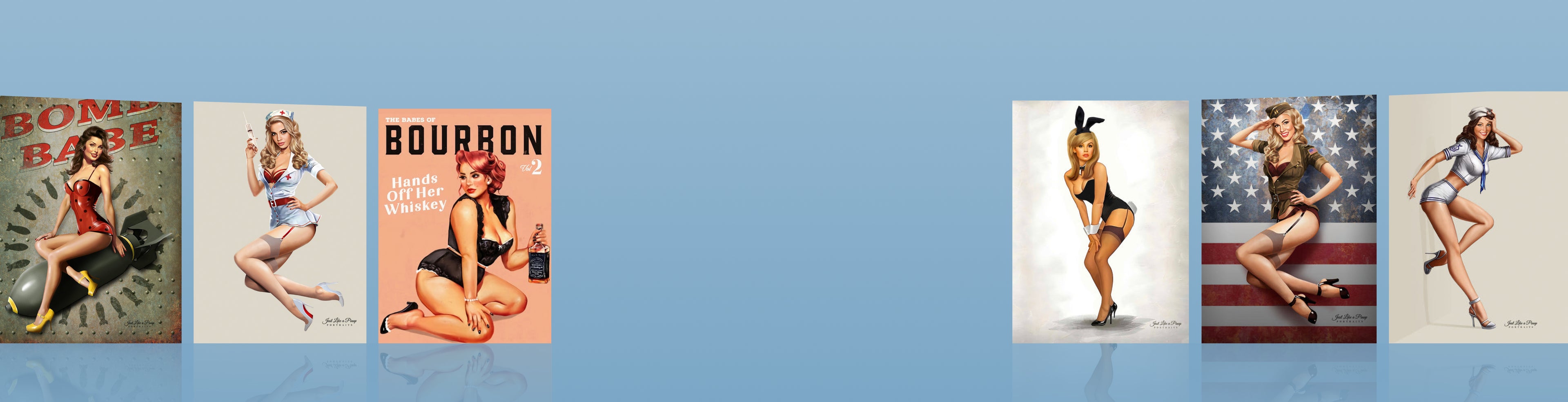
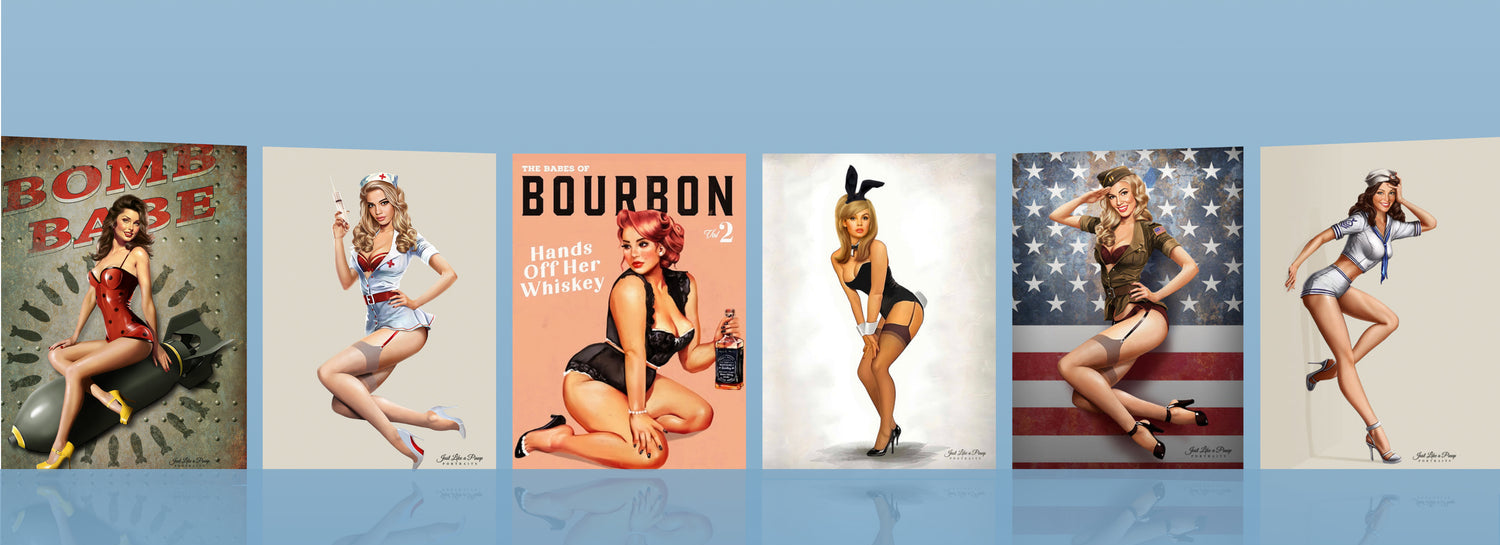
However, the true golden age of pin-ups emerged during World War II, when pin-up illustrations became a symbol of hope and morale for American soldiers overseas. Painted on aircraft, lockers, barracks walls, and nose art on fighter planes, these images represented home, love, and the idealized beauty of American women.
Artists like Alberto Vargas and George Petty helped define the look of the era—long legs, confident poses, soft lighting, and playful yet elegant expressions. These images became known as WWII pin-up girls, and they remain some of the most iconic examples of vintage American illustration.
Today, this legacy continues through the modern custom pin-up portrait industry, where individuals commission personalized artwork inspired by this historic style. A retro pin-up illustration is no longer just a magazine feature—it is a personal celebration of identity, confidence, and artistic heritage.