
Pinup Art in Tattoo Culture and Biker Communities — United States (1950s–present)
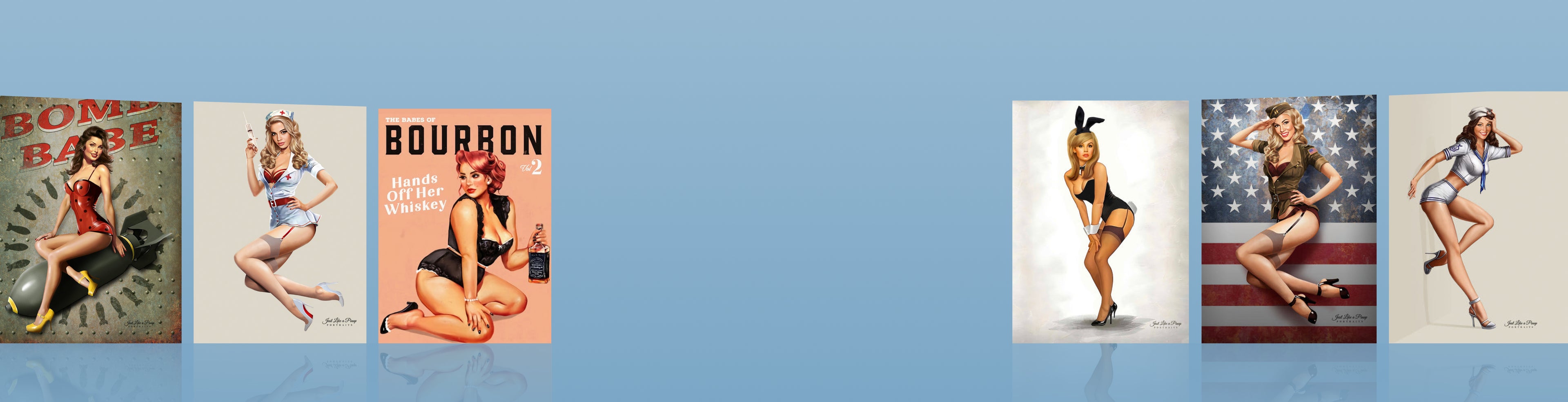
After World War II, returning servicemen brought home a strong familiarity with pinup art, especially pinup girl imagery from nose art and magazines. That visual language quickly migrated into early American tattoo culture.
Tattoo artists like Lyle Tuttle helped popularize pinup model designs on skin, turning classic pinup illustrations into permanent pinup portraits on bikers, sailors, and working-class clients. These tattoos often featured stylized pinup girls with roses, dice, eagles, or sailor themes.
Within biker clubs and road culture, pinup art became a symbol of freedom, rebellion, and nostalgia. Unlike magazine pinup illustrations, tattooed pinup portraits were personal—each one tied to a specific life story, often marking milestones like military service or long-distance travel.
Today, pinup tattoos remain one of the most enduring traditional American tattoo styles, directly connected to mid-century illustration aesthetics.