

What Most People Don’t Know About Pinups: A Fresh Look at a Timeless Art Form
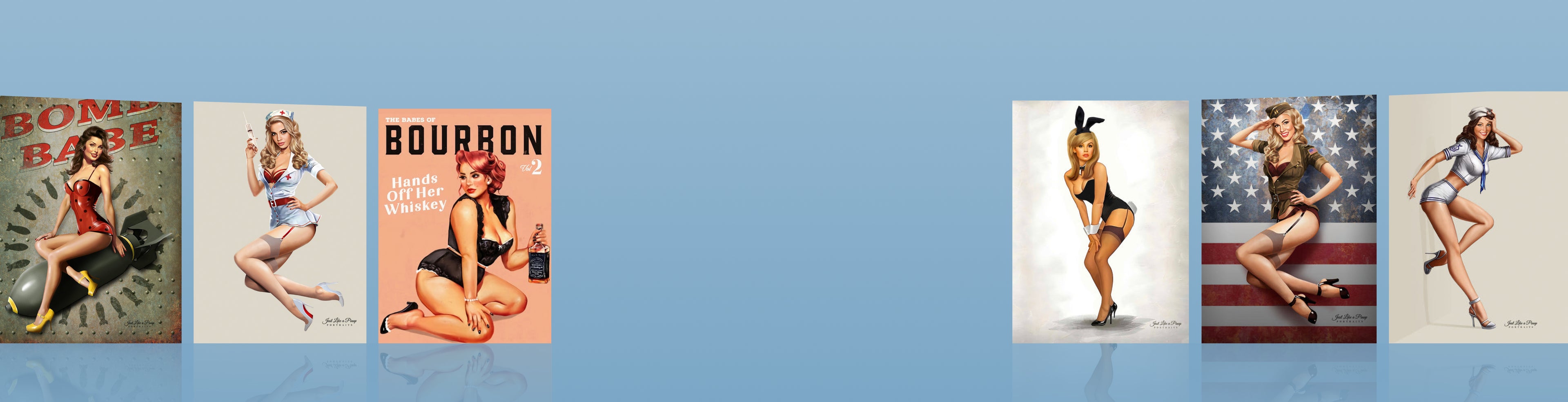
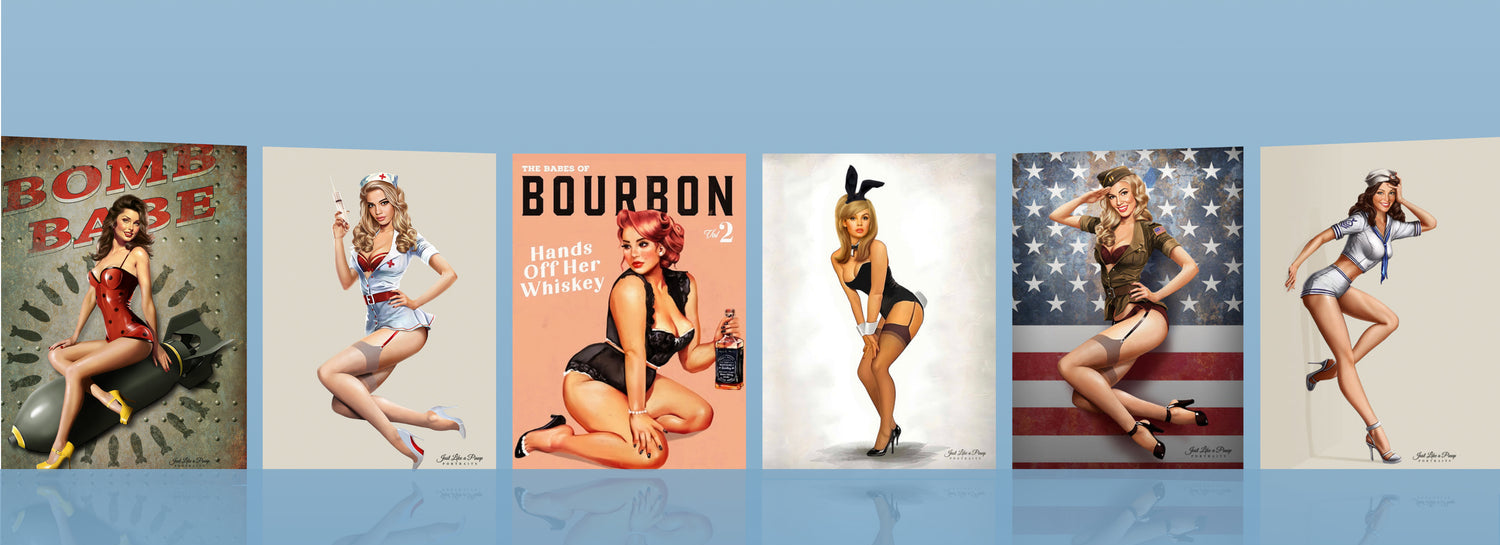
When people hear the word pinup, they usually picture glamorous portraits from the 1940s and 1950s—confident poses, vintage fashion, and stylized beauty. But pinup art is much richer and more surprising than most people realize.
Whether you’re discovering pinup portraits for the first time or you’ve always loved retro pinup photography, there’s a lot more behind this iconic style than meets the eye.
Pinups Were Originally About Empowerment, Not Just Beauty
One of the biggest misconceptions about pinup girl art is that it was created only for decoration or advertising. In reality, early pinup imagery often symbolized confidence, strength, and individuality.
During the mid-20th century, classic pinup portraits were widely circulated among soldiers, not just because they were visually appealing, but because they represented optimism, personality, and a sense of connection to life back home.
Pinup Style Has Always Evolved
Pinup isn’t frozen in time—it has constantly adapted to cultural shifts. What started as illustrated magazine imagery eventually evolved into photography, and now exists in digital illustration, branding, and personal artwork.
Today, you’ll see modern interpretations such as:
- Vintage pinup style photography with contemporary models
- Digital pinup illustration used in advertising and branding
- Personalized custom pinup portraits from photos
- Artistic reinterpretations in tattoos, fashion, and design
This evolution is why pinup remains relevant across so many creative industries.
There Are Multiple “Types” of Pinup Art
Not all pinups look the same. In fact, the style has developed into several recognizable categories:
1. Classic Pinup Portraits
Inspired by mid-century aesthetics, these focus on posed, glamorous expressions and carefully styled fashion.
2. Retro Pinup Photography
This recreates the look of old studio shoots using modern tools, lighting, and editing techniques.
3. Illustration-Based Pinups
These are hand-drawn or digitally created pinup illustrations, often used in advertising and product design.
4. Personalized Pinup Art
A growing trend where real people are transformed into pinup portraits from photos, blending identity with vintage style.
Pinups Influenced More Than Just Art
Pinup culture didn’t stay confined to posters or magazines. It influenced fashion, film, advertising, and even modern branding strategies. Many designers still draw inspiration from vintage pinup advertising art when creating packaging or promotional visuals.
In industries like alcohol marketing, for example, pinup-inspired designs are used because they instantly communicate personality, nostalgia, and boldness.
Why Pinup Still Feels Modern Today
Even though pinup originated decades ago, it continues to feel fresh. That’s because the style is built on timeless design principles: strong composition, expressive personality, and emotional storytelling.
Modern audiences are rediscovering pinup portraits, retro glamour aesthetics, and classic pinup illustration not just for nostalgia, but because they stand out in a world of fast-moving digital content.
A Fun Fact About Pinup Culture
Many of the most famous pinup images were never originally intended to be “fine art.” They were often commercial illustrations or photography used in magazines, calendars, and advertisements. Over time, they gained cultural significance and became collectible works of art.
This transformation—from commercial design to cultural icon—is part of what makes pinup so fascinating today.
The Lasting Appeal of Pinup Art
At its core, pinup is about personality. Whether it’s a vintage pinup portrait, a modern reinterpretation, or a stylized illustration, the goal is always the same: to capture attention and tell a story in a single image.
That’s why pinup continues to thrive in both personal artwork and commercial design—it connects history, identity, and creativity in a way few other art forms can.