

The Making of a Pinup Icon
Before she became a Hollywood legend, Marilyn Monroe (born Norma Jeane Mortenson) built her career through modeling. In the late 1940s, her photographs began appearing in magazines and promotional materials, quickly gaining attention for their unique mix of innocence and allure.
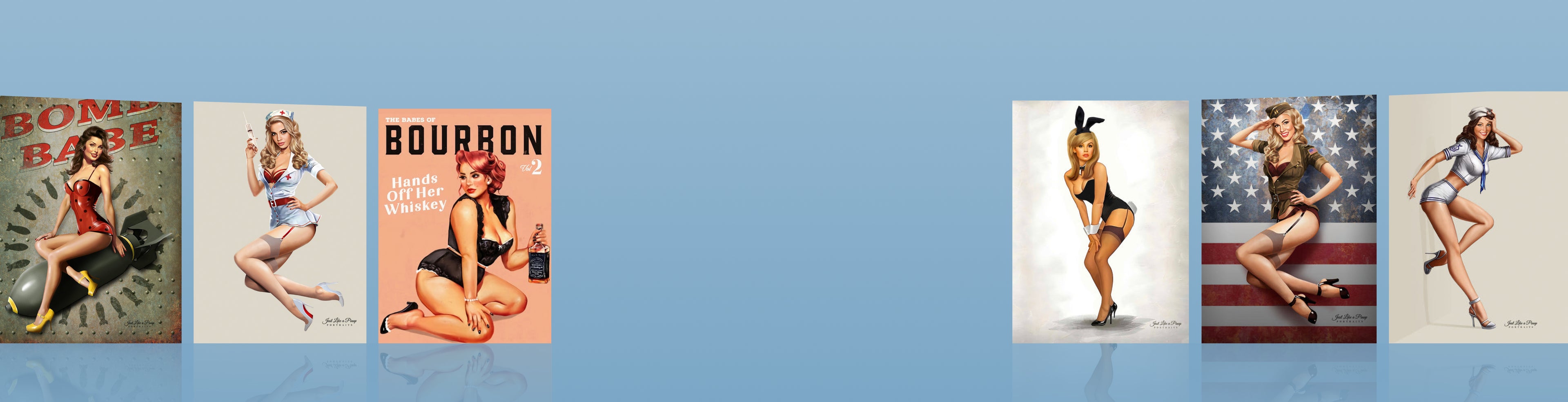
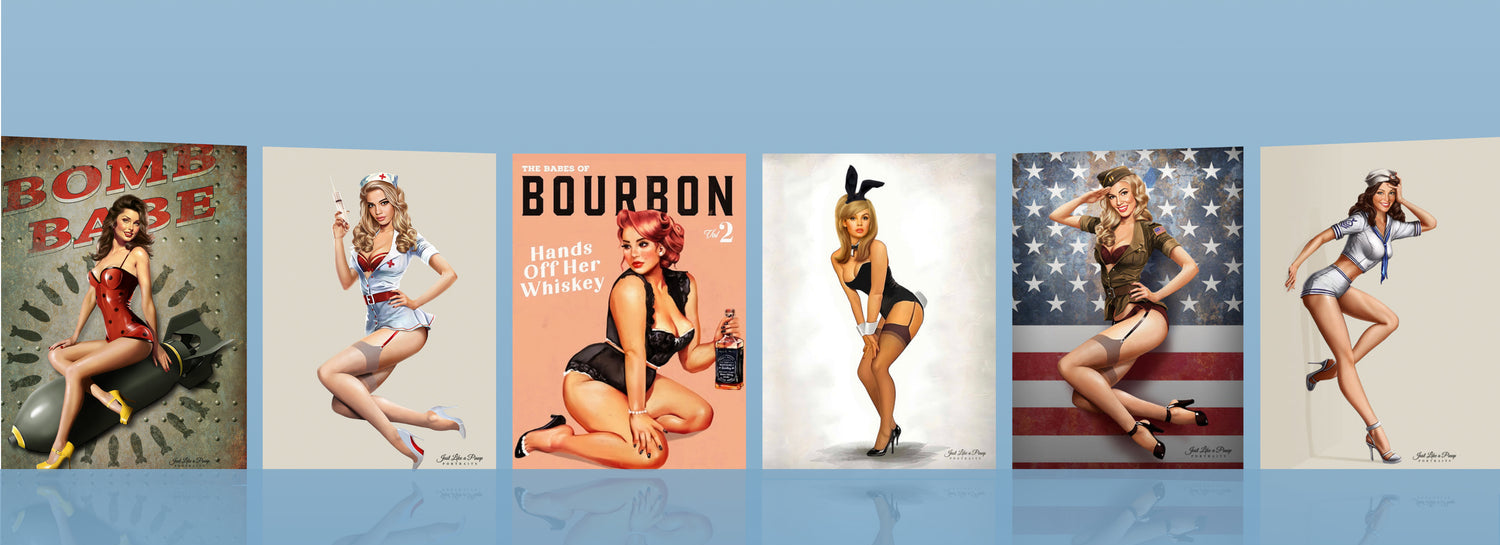
Unlike earlier illustrated pinups by artists like Alberto Vargas, Monroe’s rise coincided with the growing dominance of photography. This shift made her feel more “real” than painted pinups—someone audiences could connect with on a more personal level.
The Famous Calendar Image
One of the most iconic pinup images of all time is Monroe’s nude calendar photo from 1949. Shot early in her career, it was later widely distributed and became a cultural sensation.
Rather than damaging her reputation, the image helped cement her status. It captured the essence of pinup: playful, confident, and just daring enough to feel rebellious without crossing into explicit territory.
A New Kind of Sensuality
What set Monroe apart was her emotional presence. Traditional pinups often leaned into exaggerated fantasy, but Monroe brought something softer and more human.
Her expressions—half-smiles, glances over the shoulder, moments of laughter—created a sense of intimacy. She didn’t just pose; she interacted with the camera, making viewers feel like participants rather than observers.
Hollywood Meets Pinup
As Monroe transitioned into film, her pinup identity didn’t fade—it evolved. Movies like Gentlemen Prefer Blondes and The Seven Year Itch turned her into a global star, while preserving the playful sensuality that defined her early images.
The famous white dress scene from The Seven Year Itch is, in many ways, a moving pinup—capturing the same teasing charm and visual appeal that made static images so powerful.
The Look That Defined an Era
Monroe’s pinup aesthetic became instantly recognizable:
- Platinum blonde hair styled in soft waves
- Bold red lipstick and luminous skin
- Form-fitting dresses that emphasized natural curves
This look wasn’t just fashion—it became a template. Countless photographers, models, and artists have drawn inspiration from it ever since.
Beyond the Image
While Monroe’s pinup persona projected confidence and ease, it also hinted at something deeper. There was a vulnerability in her expressions that made her feel relatable, even as she was elevated to icon status.
This duality—strength and softness, glamour and humanity—is a big part of why her image endures.
Lasting Influence
Today, Monroe remains one of the most recognizable pinup figures in history. Her influence can be seen in modern photography, retro fashion, and even social media aesthetics.
She helped transition pinup from illustration to photography, from fantasy to something more emotionally engaging. In doing so, she didn’t just follow a trend—she transformed it.
As a pinup, Marilyn Monroe wasn’t just an image on a wall—she was a presence. Warm, playful, and unforgettable, she turned the idea of pinup into something timeless: a celebration of charm, confidence, and connection.