
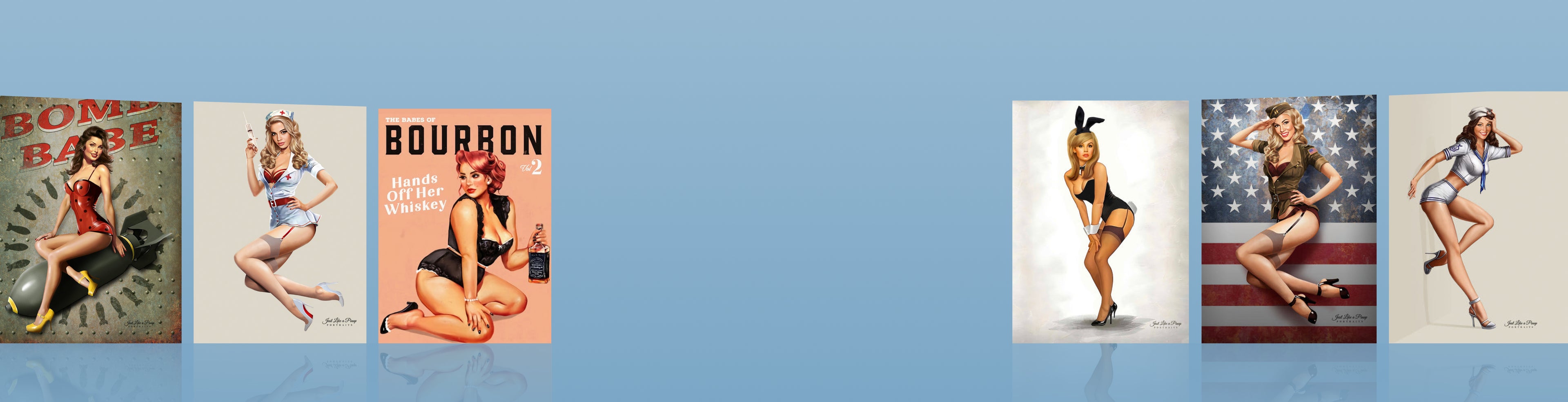
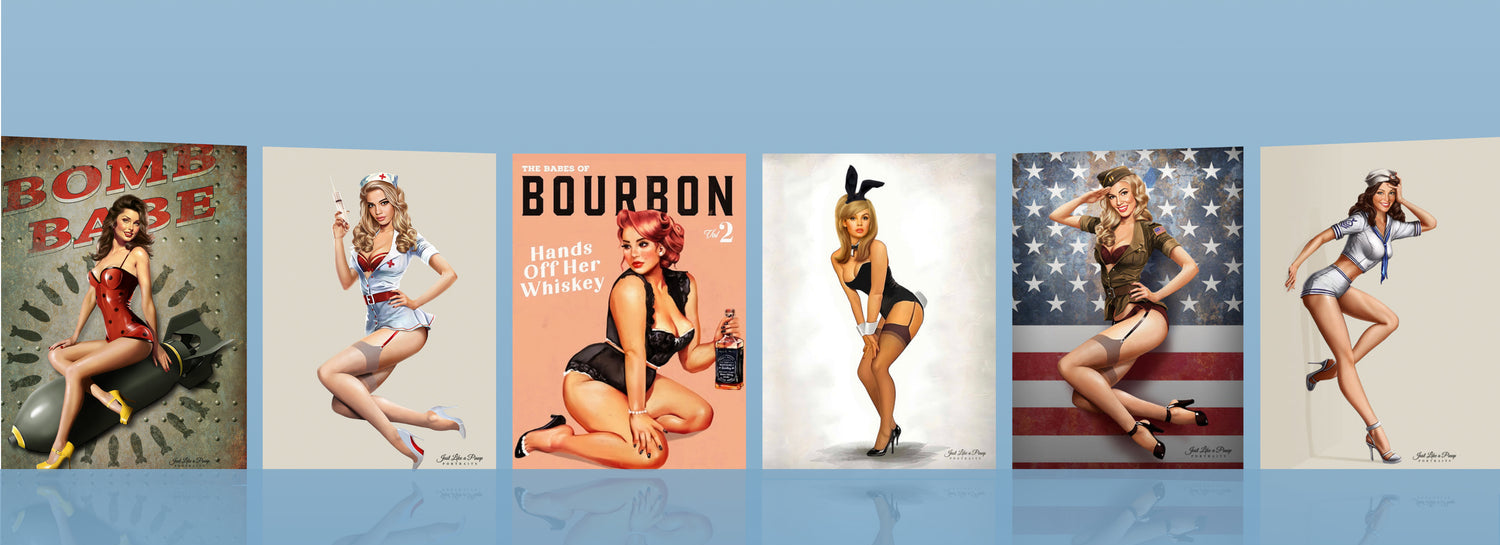

The term “pinup” comes from the simple act of pinning images to a wall. By the 1930s, glamorous illustrations and photographs of women—often smiling, playful, and suggestively posed—were already popular in magazines. Artists like Alberto Vargas helped define the look: soft airbrushed skin, bright expressions, and a balance between allure and innocence.
When WWII began, pinups exploded in popularity. Soldiers carried them in lockers, footlockers, and even inside helmets. These images weren’t just about attraction—they were reminders of home, normalcy, and what they were fighting for.
Morale on the Front Lines
For troops stationed far from home, pinups served as emotional anchors. Figures like Betty Grable became household names among servicemen. Her famous 1943 swimsuit photo—reportedly one of the most widely distributed images of the war—was more than just a glamorous shot; it became a symbol of hope and familiarity.
The U.S. military didn’t officially issue pinups, but they were widely accepted. Nose art on aircraft often featured pinup-style women, turning war machines into personalized expressions of identity and humor.
Hollywood and Wartime Glamour
The entertainment industry quickly aligned with wartime efforts. Actresses such as Rita Hayworth and Veronica Lake became iconic not just for their films, but for their pinup images circulated among troops.
Interestingly, these women often participated directly in the war effort—selling war bonds, performing for soldiers, and supporting propaganda campaigns. Their images blended glamour with patriotism.
Changing Roles of Women
Pinups also existed alongside a major cultural shift. While idealized images of femininity emphasized beauty and charm, real women were entering factories, offices, and military support roles in unprecedented numbers. The figure of Rosie the Riveter symbolized this new working woman—strong, capable, and essential to victory.
This dual image—pinup beauty and industrial strength—reflected the complex expectations placed on women during the war.
Art, Fantasy, and Escapism
At their core, pinups were a form of escapism. In a world defined by rationing, loss, and uncertainty, they offered a polished, optimistic fantasy. The women in these images were approachable yet idealized, playful yet wholesome.
Artists carefully walked a line: pinups were suggestive but rarely explicit. This made them socially acceptable across a wide audience while still carrying a sense of excitement and rebellion.
Legacy of WWII Pinups
The influence of WWII pinup culture didn’t end in 1945. It shaped advertising, fashion, and media for decades. The aesthetic continues to inspire modern photography, retro fashion, and pop culture.
More importantly, pinups reveal something deeper about wartime psychology: even in the harshest conditions, people seek comfort, beauty, and connection. These images—simple as they may seem—played a small but meaningful role in sustaining morale during one of history’s most challenging periods.
Pinup girls were never just posters on a wall. They were symbols of longing, resilience, and the human need for warmth in a time defined by conflict.