
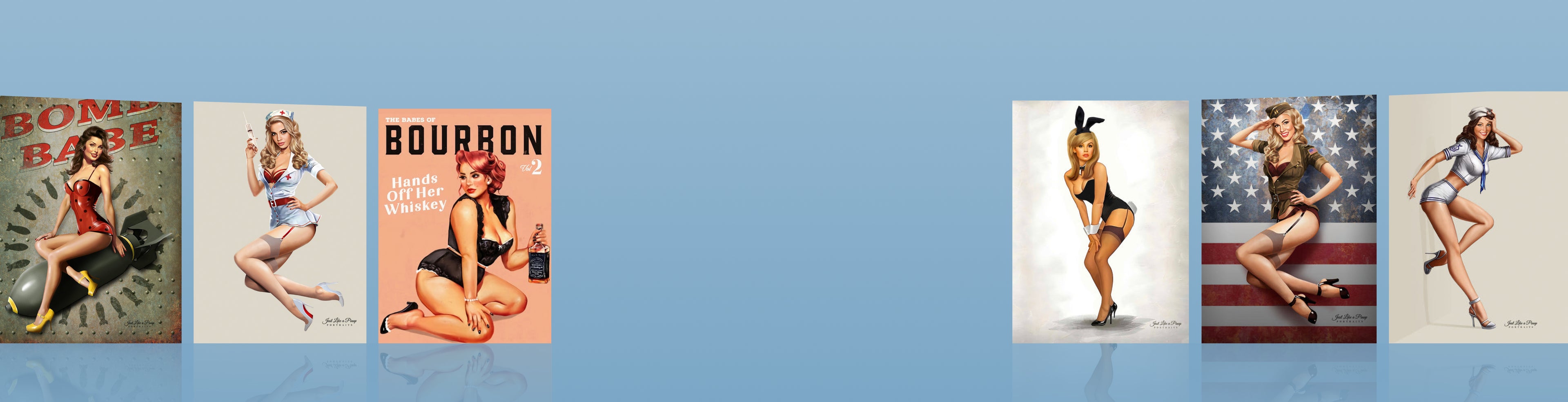
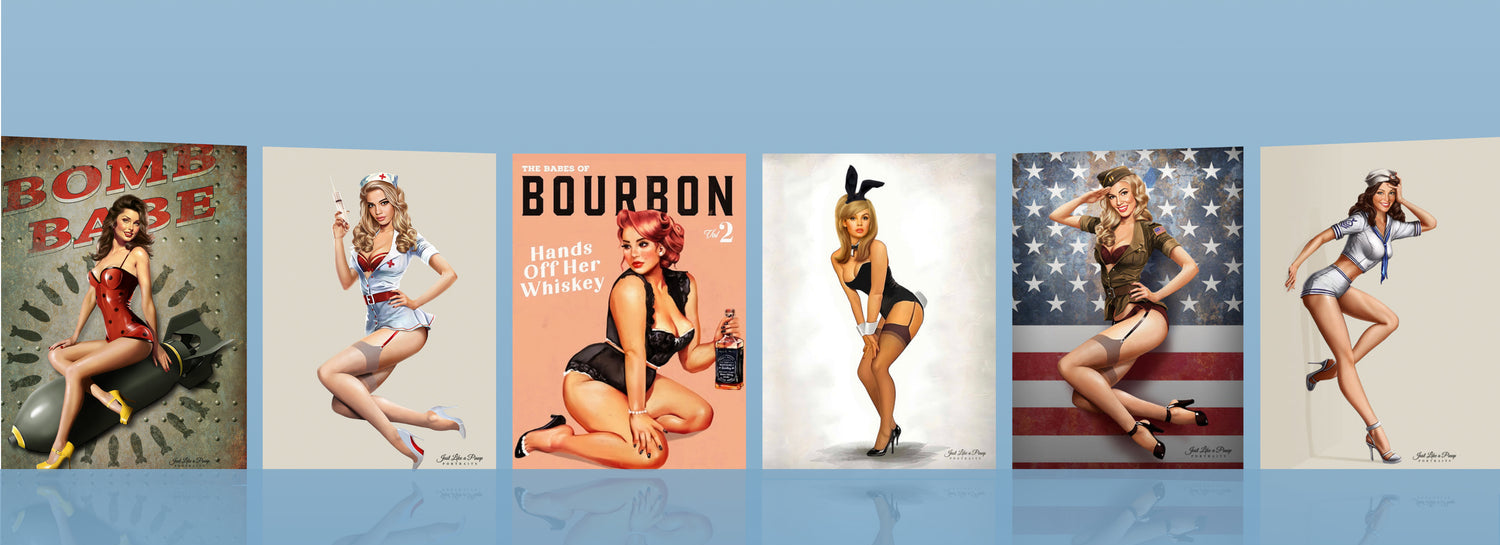

Boudoir Pinup and Artistic Nudity: The Fine Line Between Pinup Art and Fine Art Expression
Pinup art has always existed on a spectrum—from playful vintage pinup style illustrations to more sophisticated boudoir-inspired imagery. While most people think of classic pinup portraits as glamorous and playful, there is also a long artistic tradition of tasteful, stylized nude and semi-nude representation within the broader pinup-inspired visual culture.
This intersection between pinup girl art, boudoir photography, and fine art nude studies reveals a deeper history of how the human form has been represented in modern visual storytelling.
Pinup Art and the Influence of Fine Art Nudes
Long before retro pinup photography became popular in magazines and advertising, artists were already exploring the human form through classical figure studies and fine art portraiture.
Early vintage pinup illustration borrowed heavily from these traditions, emphasizing:
- Curved, idealized silhouettes
- Soft lighting and composition
- Stylized rather than literal realism
- Emotional expression over explicit detail
This influence helped shape the aesthetic foundation of pinup portraits as we know them today.
Boudoir Aesthetics in Pinup Culture
A major extension of pinup art is boudoir-style imagery. Unlike commercial advertising pinups, boudoir-inspired pinup portraits from photos focus more on intimacy, mood, and personal expression.
Key elements often include:
- Soft, atmospheric lighting
- Vintage-inspired wardrobe or styling
- Suggestive but artistic posing
- Emphasis on confidence and self-expression
This style is closely tied to vintage pinup style, but with a more personal and reflective tone.
The Difference Between Pinup and Explicit Imagery
It’s important to understand that traditional classic pinup portraits are not the same as explicit content. Pinup art historically focused on suggestion, humor, and stylized beauty rather than graphic representation.
Even when exploring more minimal or boudoir-inspired themes, pinup girl art remains rooted in artistic interpretation rather than realism.
This distinction is one reason why retro pinup photography has been widely accepted in mainstream art and culture.
Why the Human Form Is Central to Pinup Art
The human figure has always been central to pinup illustration and photography because it allows for expressive storytelling. The goal is not simply depiction, but interpretation.
In vintage pinup portraits, the body becomes a design element—used to convey:
- Confidence and empowerment
- Playfulness and charm
- Mood and atmosphere
- Artistic composition
This approach aligns pinup with broader traditions in fine art.
The Modern Revival of Boudoir Pinup Style
Today, many people explore pinup portraits from photos as a way to express confidence and creativity through stylized imagery. Modern digital tools allow artists to reinterpret retro pinup photography in softer, more artistic ways.
This has led to a rise in:
- Boudoir-inspired pinup portraits
- Stylized vintage pinup illustration with artistic nudity themes
- Glamour photography influenced by classic pinup portraits
- Personalized, artistic reinterpretations of pinup aesthetics
Cultural Perception and Artistic Acceptance
Over time, pinup art has shifted from commercial illustration to recognized artistic expression. Museums, galleries, and collectors now treat many forms of vintage pinup style artwork as part of visual culture history.
This acceptance is largely due to its emphasis on artistry, composition, and storytelling rather than explicit content.
Final Thoughts
The relationship between pinup art, boudoir aesthetics, and fine art nude traditions is rooted in creativity, not explicitness. From classic pinup portraits to modern retro pinup photography, the style continues to explore the human form in a way that is expressive, symbolic, and artistic.
Ultimately, pinup girl art remains powerful because it focuses on confidence, identity, and visual storytelling—making it one of the most enduring and adaptable art styles in modern culture.